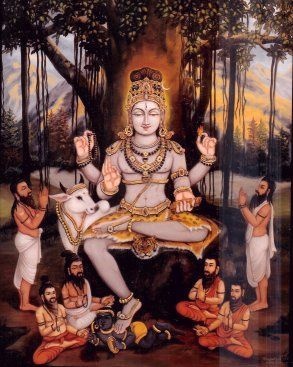
Ever wondered what Asian gods are doing with their hands? According to some yoga gurus, mudras are one of the final stages of yoga practice, not to be attempted by novices, as they will not be felt with the appropriate spiritual profundity. I tend to disagree. If you practice Tai Chi or Chi Gung, even beginners are taught to move and hold their hands and feet in positions that count as mudras, in the Indian yoga tradition. Therefore, I think that everyone can practice some of the simpler mudras.
The benefits of the mudras are so rich and varied that, even at the beginner level, you can get great satisfaction from them. In fact, even in Sanskrit, one of the many meanings of the original Sanskrit word mudra is ‘short-cut’ or ‘circuit by-pass’, suggesting that through mudra, we can access something that might appear to be out of our reach.
And so, what is a mudra? If the bandhas are the key to locking and unlocking of muscular and energetic windows/doors, the mudras are the housekeepers that can be called up with simple (short-cut’) gestures, sweeping up, decorating, maintaining, re-arranging the energy flow in the body. For every problem in life, be it mental or physical, there is a mudra cure or palliative.
As we see in the ancient text, the Hatha Yoga Pradipika (3:5)
‘Therefore the goddess sleeping at the entrance of Brahma’s door should be constantly aroused with all effort, by performing mudra.’
Another element of mudra practice is the aspect of the Sanskrit definition: ‘mud’ meaning delight and ‘dravay’ meaning draw fourth. And so, as a whole, mudra can be understood to mean taking a short-cut to draw forth delight. And, ask anyone who’s practiced them knows, mudras live up to their name.
There are literally hundreds of mudras that we have at our finger-tips, not to mention the mudras we can make with our feet and limbs and torso. Mudras complement the bandhas and chakras, along with meditation and chanting, to form a complete yoga practice, helping therefore to maintain harmony throughout the physical and mental house of the body. Some of the more common mudras, about 30, crop up regularly on holy statues and ritual traditions across the East. I guess this is because trial and error over 10, 000 + years has proved an ease of use and potency tantamount to divine magic.
If you only learn one mudra, I’d recommend what are called Gyana and Chin Mudras because they all-encompassing in their power and can benefit anyone who practices them regularly with an open heart and a positive intention.
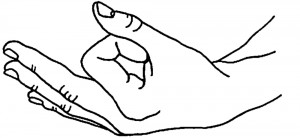
CHIN MUDRA – Sit comfortably cross legged/on a chair. Balance backs of hands on your knees. Roll your index finger into your thumb/touch tip of index finger to thumb. Let your other fingers pint in a slight fan.
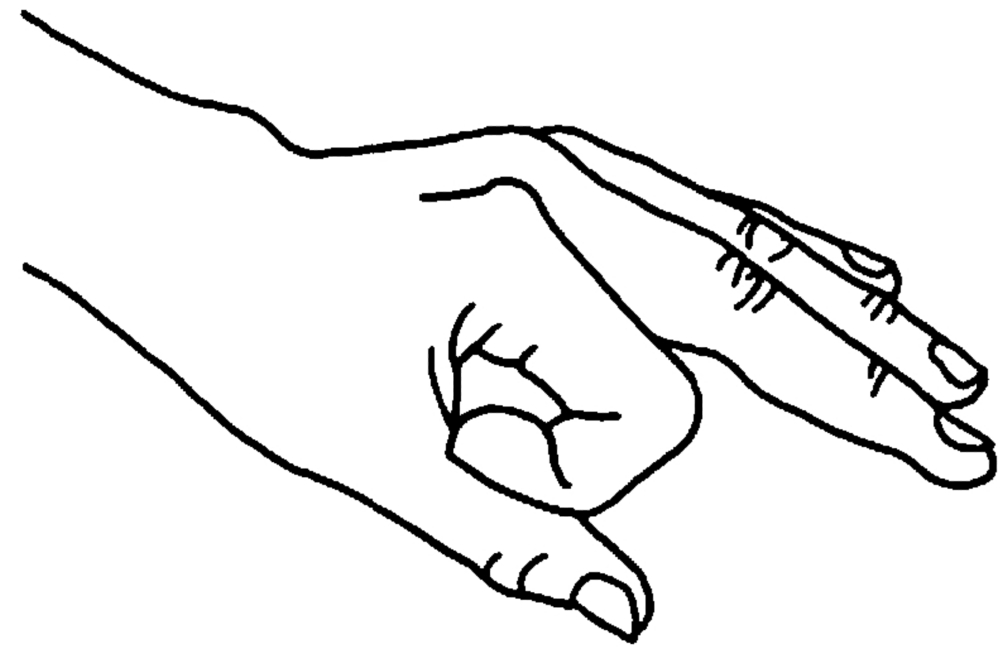
GYANA MUDRA – same as Chin but facing downwards, with the palms touching the knees. In both mudras the finger embodies you, as an individual and the thumb represents the collective consciousness. The other fingers in turn are everything else: tamas (darkness), rajas (change) and sattwa (light)
I personally find when I am feeling tired/depressed/my endocrine system is malfunctioning, they plug me back into the grid like an electric car charging up after too long on the road. Also, if you are feeling bright and happy, they can give you great creative inspiration and insights that leave you literally buzzing.
 RoseYoga